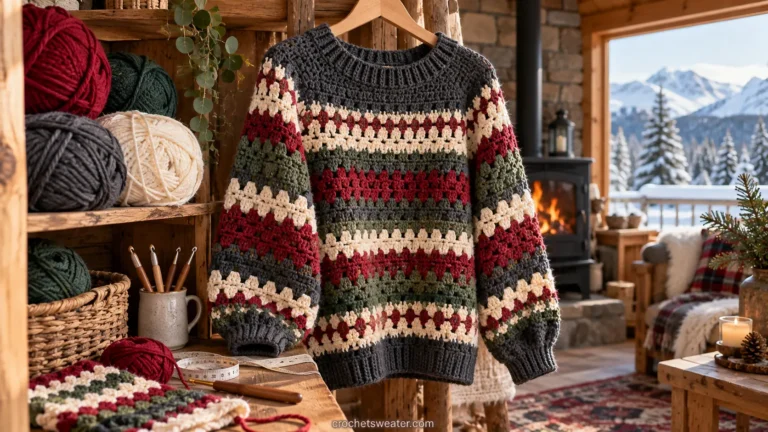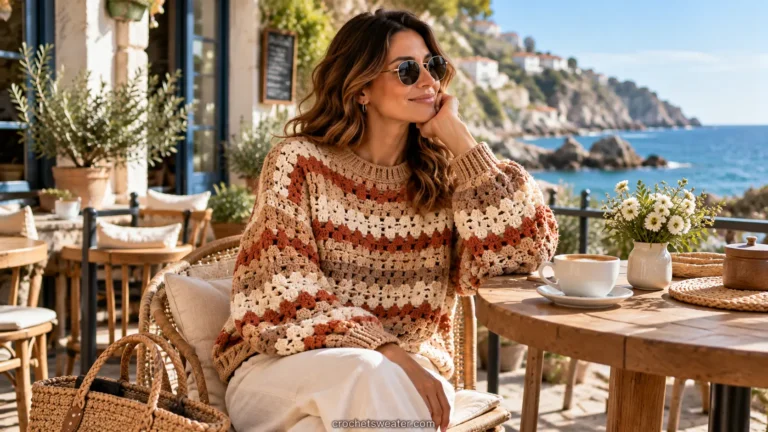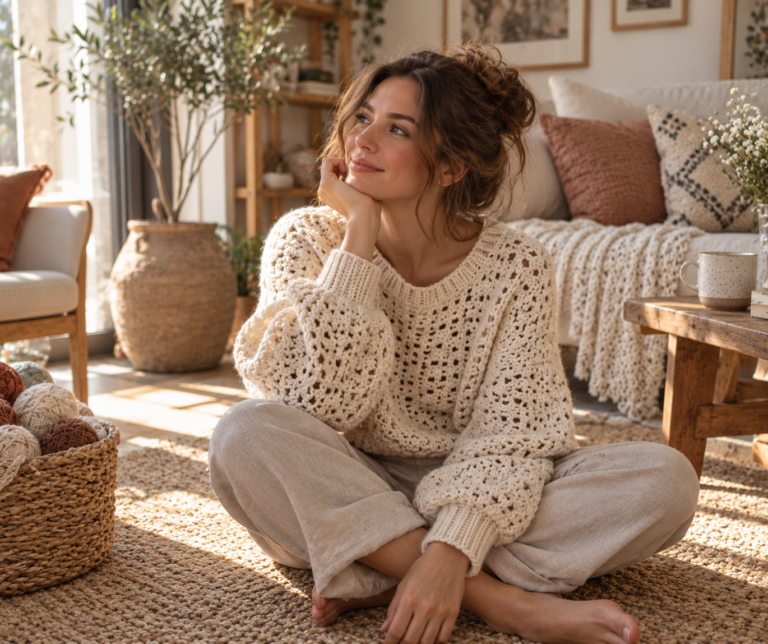
A crochet pullover sweater remains one of the most requested garment projects heading into 2026, and this year’s patterns lean toward clean silhouettes over busy stitch work. Instead of dense, boxy shapes, current designs favor drape, texture, and thoughtful shaping that flatters a range of body types. This guide walks through eleven standout styles, along with the construction and yarn choices that make each one worth the time investment.
Table of Contents
- What’s Different About 2026 Patterns
- Top Construction Methods
- 11 Best Crochet Pullover Sweater Styles
- Yarn Choices for Drape and Warmth
- Fit Considerations
- Seasonal Wearability
- Beginner-Friendly Picks
- Helpful Resource
- Related Resources
- FAQ
What’s Different About 2026 Patterns
This year’s crochet pullover sweater patterns move away from tight, dense fabric in favor of open, breathable stitch work. Waffle stitch, linen stitch, and simple textured ribbing dominate current designs, replacing the heavily patterned granny stitch look of years past.
Necklines have also shifted wide boat necks and dropped shoulders are more common than fitted crew necks, giving the finished garment a relaxed, modern silhouette.
Key 2026 Trends
- Oversized, dropped-shoulder fits
- Neutral, tonal color palettes
- Longer body lengths with cropped sleeves
- Simple stitch repeats over busy patterning
Top Construction Methods
Construction choice shapes both the final silhouette and the difficulty of any crochet pullover sweater.
Top-down raglan starts at the neckline and increases outward before splitting for sleeves and body, letting makers try the piece on throughout.
Bottom-up panel construction builds pieces separately and seams them together, producing a more tailored result but requiring more finishing work.
In-the-round yoke construction shapes the shoulders first, similar to knit yoke sweaters, and is popular for colorwork or textured stitch patterns.
| Method | Result | Difficulty |
|---|---|---|
| Top-down raglan | Relaxed, adjustable fit | Beginner–Intermediate |
| Bottom-up panels | Tailored, structured shape | Intermediate |
| Yoke construction | Smooth shoulder shaping | Intermediate |
11 Best Crochet Pullover Sweater Styles
Each of these styles represents a different take on the crochet pullover sweater for 2026, from relaxed everyday pieces to more textured statement garments.
- Oversized Waffle Stitch Pullover Deep texture with a relaxed, boxy fit.
- Cropped Ribbed Pullover Fitted body paired with high-waisted bottoms.
- Dropped-Shoulder Linen Stitch Pullover Clean, minimal texture.
- Turtleneck Crochet Pullover Cozy layering piece for colder months.
- Mock-Neck Textured Pullover Subtle stitch detail without bulk.
- Long-Sleeve V-Stitch Pullover Lightweight, breathable option.
- Colorblock Panel Pullover Two-tone construction for visual interest.
- Chunky Cable-Front Pullover Statement texture for advanced makers.
- Boxy Cropped Pullover Pairs well with high-rise denim.
- Puff-Sleeve Pullover Feminine detail on an otherwise simple body.
- Lightweight Lace Pullover Suited for transitional weather.
Yarn Choices for Drape and Warmth
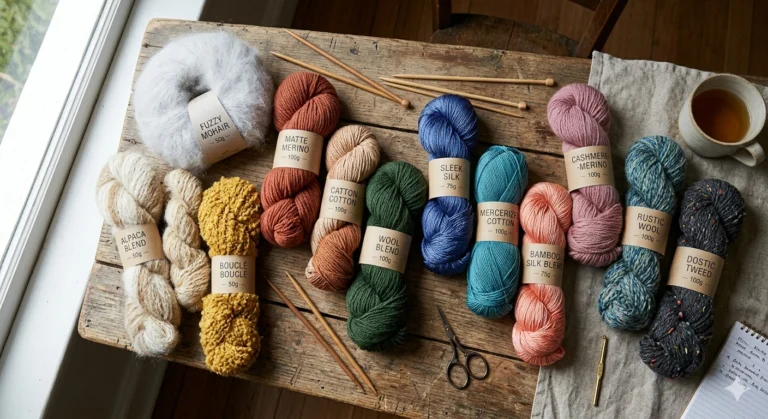
Yarn weight and fiber content change how a crochet pullover sweater hangs and performs. A DK or worsted weight yarn with some drape like a cotton-acrylic or wool alpaca blend avoids the stiff, tent like shape that pure acrylic can create in larger garments.
For warmer climates, a lighter cotton or linen-blend yarn keeps the pullover wearable without overheating.
Tip: Swatch before committing to a full sweater’s worth of yarn gauge differences of even half a stitch per inch can shift the finished size significantly.
Fit Considerations
Because a crochet pullover sweater has a closed neckline, getting the head opening right matters more than with an open cardigan.
- Measure head circumference loosely and compare to the pattern’s neck opening.
- Check finished bust and shoulder measurements against your own body, not just the labeled size.
- Decide on sleeve length and body length separately, since many 2026 styles mix cropped sleeves with longer bodies.
Seasonal Wearability
A well-planned crochet pullover sweater should work across more than one season.
- Fall: Medium-weight yarn in a textured stitch, worn alone or under a jacket.
- Winter: Chunky yarn and a turtleneck design for maximum warmth.
- Spring: Lightweight cotton-blend yarn in an open stitch for cooler mornings.
Beginner Friendly Picks
Not every 2026 style requires advanced skills. A few from this list are approachable for newer makers.
- The dropped shoulder linen stitch pullover uses one repeated stitch throughout.
- The boxy cropped pullover has minimal shaping and simple seams.
- The long-sleeve V-stitch pullover is forgiving of small tension inconsistencies.
Helpful Resource Section
Before substituting yarn for any crochet pullover sweater pattern, the Yarn Weight Conversion Chart is a useful reference because it helps compare yarn categories and avoid sizing issues before starting a garment project.
Related CrochetSweater Resources
New garment makers may also enjoy our Easy Crochet Sweater Patterns for Beginners, which features approachable projects designed to build confidence.
For lightweight layering inspiration, see our Crochet Cardigan Pattern Ideas, where you’ll find wearable projects suitable for multiple seasons.
Frequently Asked Questions
Q: What’s trending in crochet pullover sweater styles for 2026?
A: Oversized fits, dropped shoulders, and simple textured stitches like waffle and linen stitch are the most popular directions this year.
Q: How much yarn does a crochet pullover sweater need?
A: Most adult sizes require 1,200–2,200 yards, depending on body length, sleeve style, and yarn weight.
Q: Are pullover sweaters harder to crochet than cardigans?
A: Slightly the closed neckline requires more precise gauge and fit planning than an open-front cardigan.
Conclusion
The best crochet pullover sweater patterns for 2026 balance relaxed, wearable silhouettes with simple, well chosen stitches. Whether you’re drawn to a cozy turtleneck or a lightweight lace design, matching yarn and construction to your skill level will keep the project enjoyable from start to finish. Save this guide so you can revisit the styles and tips as you plan your next make.