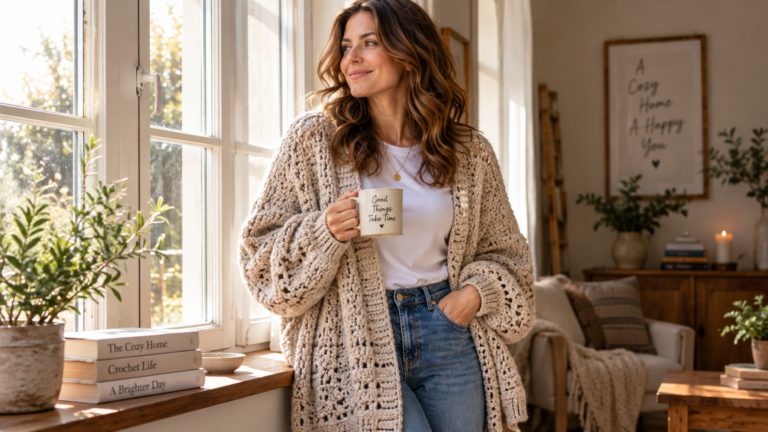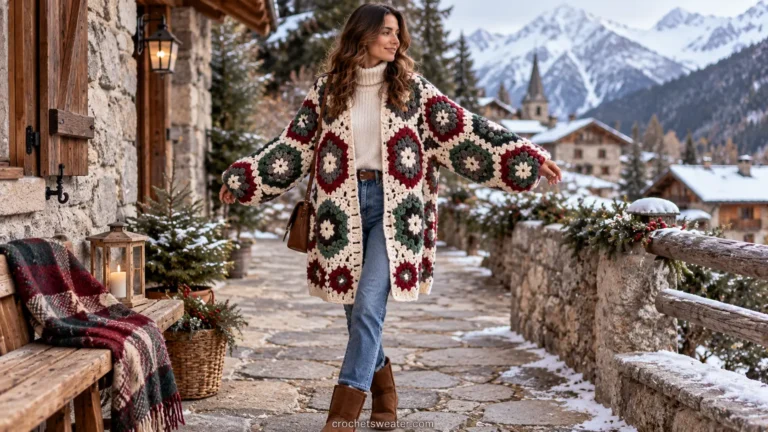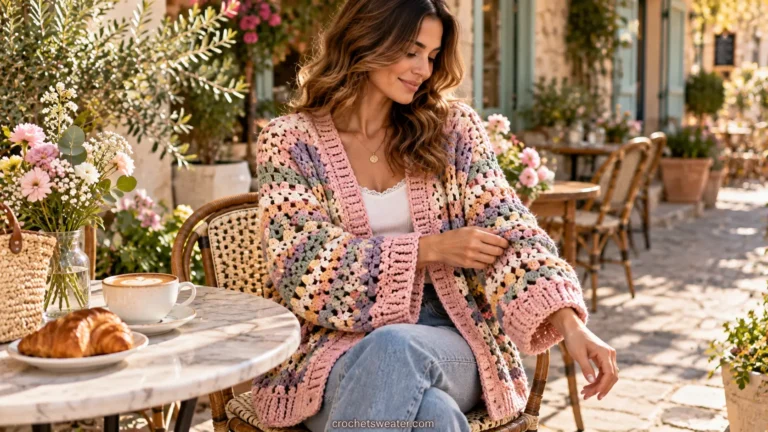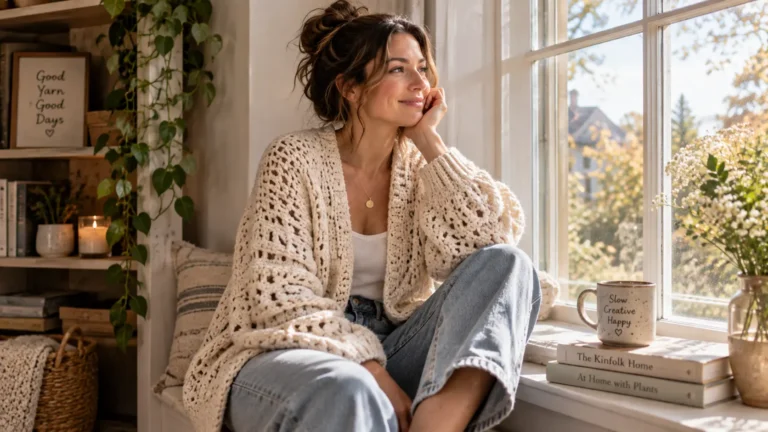
Modern crochet cardigan patterns have moved far beyond the boxy, granny square silhouettes many people still associate with handmade knitwear. Today’s designs favor draped fronts, oversized collars, and clean stitch work that reads more “boutique” than “craft fair.” This guide walks through the construction choices, yarn considerations, and styling details that separate a dated cardigan from one you’ll actually reach for every week. Whether you’re chosen your first garment project or your tenth, you’ll leave with a clear sense of what to look for and how to wear the finished piece.
Table of Contents
- What Makes a Cardigan Feel “Modern”
- Popular Construction Methods
- Choosing the Right Yarn
- Fit and Sizing Considerations
- Seasonal Layering Options
- Beginner-Friendly Adjustments
- Styling Ideas
- Helpful Resource
- Related Resources
- FAQ
What Makes a Cardigan Feel Modern
A dated cardigan usually has one thing in common: a busy stitch pattern that dominates the whole garment. Modern crochet cardigan patterns tend to do the opposite, using a single simple stitch like a moss stitch or linen stitch across a large surface area so the texture reads as fabric rather than “crochet project.“
Clean necklines, minimal buttons, and open drape are also recurring themes. Many current patterns skip closures entirely, relying on an oversized shawl collar or a simple front-tie instead.
Common Modern Details
- Dropped shoulders for a relaxed fit
- Rib-stitch trims instead of bulky borders
- Longer, duster-style hemlines
- Waffle or linen stitch bodies
- Minimal or no button closures
Popular Construction Methods
Construction is where a cardigan’s final shape really comes from, and it’s worth understanding the main approaches before picking a pattern.
Top-down, seamless construction starts at the neckline and works downward, which means you can try the garment on as you go and adjust length in real time. This is popular in modern patterns because it removes guesswork.
Panel construction, where the back, two fronts, and two sleeves are made separately and sewn together, gives more structure and is often used for cardigans with a tailored, jacket like silhouette.
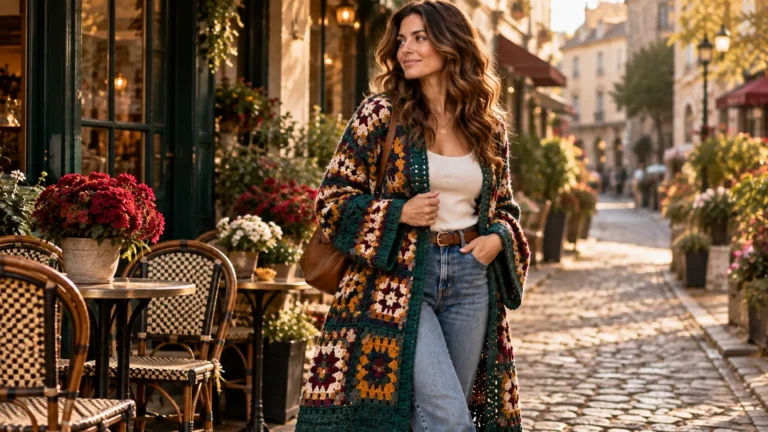
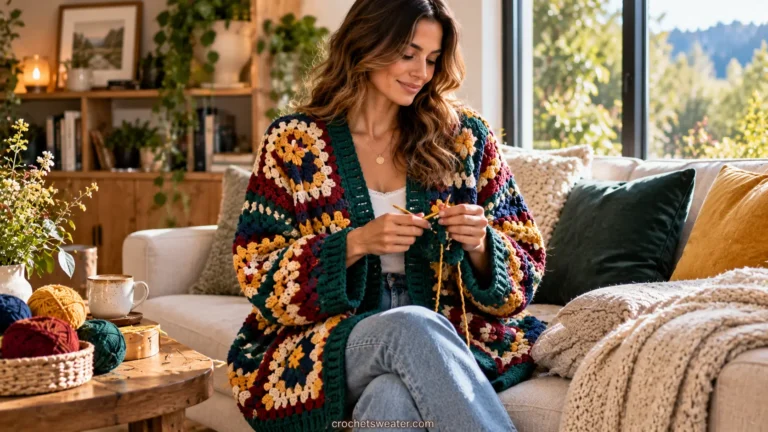
Granny-square or motif-based cardigans are still around, but modern versions use larger, simpler motifs in a limited color palette rather than the traditional multicolor patchwork look.
Quick Comparison
| Method | Best For | Skill Level |
|---|---|---|
| Top-down seamless | Relaxed, drapey styles | Beginner–Intermediate |
| Panel construction | Tailored, structured fit | Intermediate |
| Motif-based | Textural, statement pieces | Intermediate–Advanced |
Choosing the Right Yarn
Yarn choice has an outsized effect on whether a cardigan looks current or outdated. Heavier, rustic-look yarns in oatmeal, camel, or charcoal tend to photograph and wear better than bright, variegated skeins.
A DK or worsted weight yarn with some drape think cotton-acrylic blends or a wool-alpaca mix gives the fabric enough weight to hang properly instead of standing away from the body.
Tip: Avoid pure acrylic for larger garments if possible. It’s budget friendly, but it can pill quickly on a piece that gets worn and layered often.
Fit and Sizing Considerations
Oversized doesn’t mean shapeless. The most flattering modern cardigans still have some intentional shaping, even in a relaxed silhouette.
- Measure across the shoulders before choosing a size, since dropped-shoulder styles are forgiving but still have limits.
- Check the finished garment measurements, not just the size label, since crochet gauge varies widely between makers.
- Consider sleeve length separately from body length a cropped sleeve on a long-body cardigan is a popular modern combination.
Seasonal Layering Options
A well-designed cardigan should earn its keep across more than one season.
Spring and Fall: Lighter cotton-blend yarns in an open stitch work well over a tank top or thin sweater.
Winter: Chunkier yarn and a longer body make the cardigan function almost like a coat over a turtleneck.
Summer evenings: A lightweight, lacy stitch pattern in a fine yarn adds coverage without heat.
Beginner-Friendly Adjustments
New crocheters don’t need to skip modern styles a few adjustments make even advanced looking patterns manageable.
- Choose a pattern with a single repeated stitch rather than a complex textured motif.
- Pick a top-down design so fit issues can be caught early.
- Start with a solid color to make stitch counting easier.
Styling Ideas
A modern crochet cardigan works best when it’s treated like a wardrobe staple rather than a “special occasion” piece.
- Layer over a fitted tee and jeans for an everyday look.
- Pair a longline cardigan with wide leg trousers for an elevated, put-together silhouette.
- Use a cropped version over a midi dress for a transitional spring outfit.
Helpful Resource Section
When substituting yarns for any of these designs, the Yarn Weight Conversion Chart is a useful reference because it helps compare yarn categories and avoid sizing issues before starting a garment project.
Related CrochetSweater Resources
New garment makers may also enjoy our Easy Crochet Sweater Patterns for Beginners, which features approachable projects designed to build confidence.
For lightweight layering inspiration, see our Crochet Cardigan Pattern Ideas, where you’ll find wearable projects suitable for multiple seasons.
Frequently Asked Questions
Q: What stitch is best for a modern crochet cardigan?
A: Simple, repetitive stitches like moss stitch, linen stitch, or single crochet in the round tend to give the cleanest, most contemporary look.
Q: How much yarn do I need for a cardigan?
A: Most adult cardigans require 1,200–2,000 yards, depending on size and yarn weight, so always check the pattern’s specific yardage.
Q: Can beginners make an oversized cardigan?
A: Yes — oversized, top-down designs are actually some of the most forgiving projects for newer crocheters since fit issues are easy to spot early.
Conclusion
Modern crochet cardigan patterns succeed by keeping things simple: clean stitches, thoughtful construction, and yarn with real drape. Whether you’re drawn to a relaxed duster style or a more tailored panel constructed piece, the right combination of fit and fiber will keep your cardigan in regular rotation for years. Save this guide before starting your next project so you can revisit the construction and yarn notes as you go.