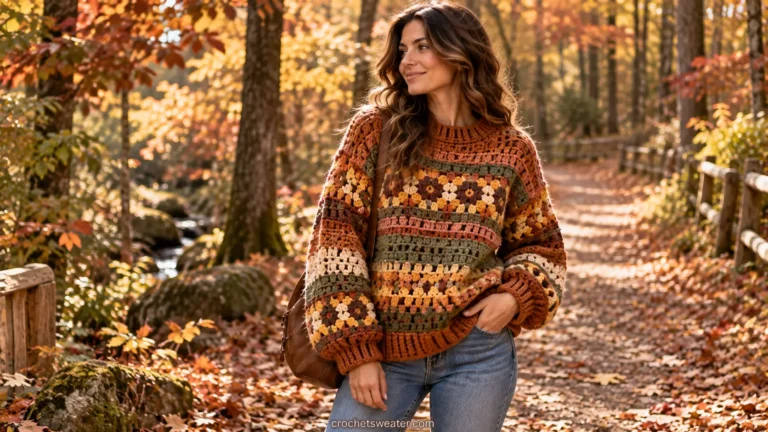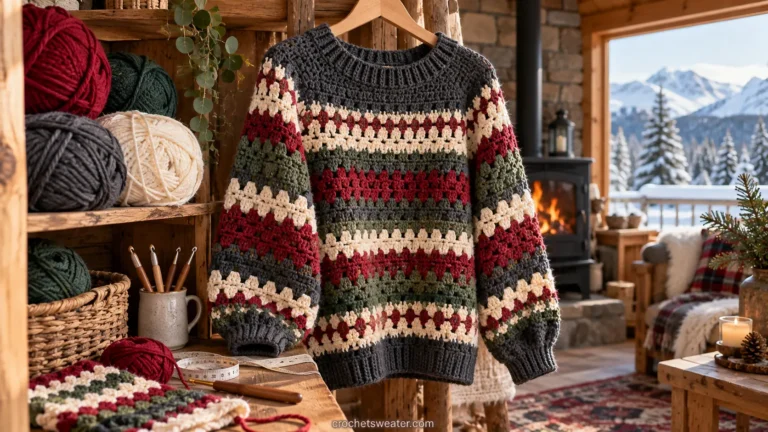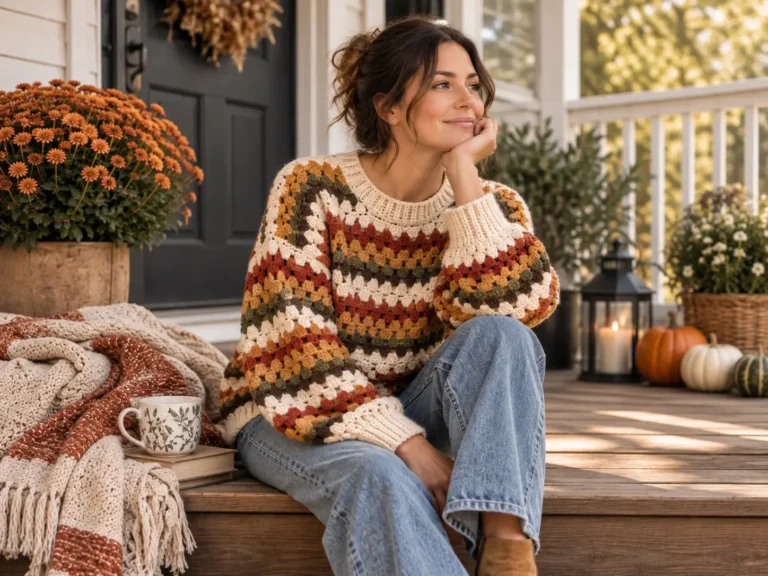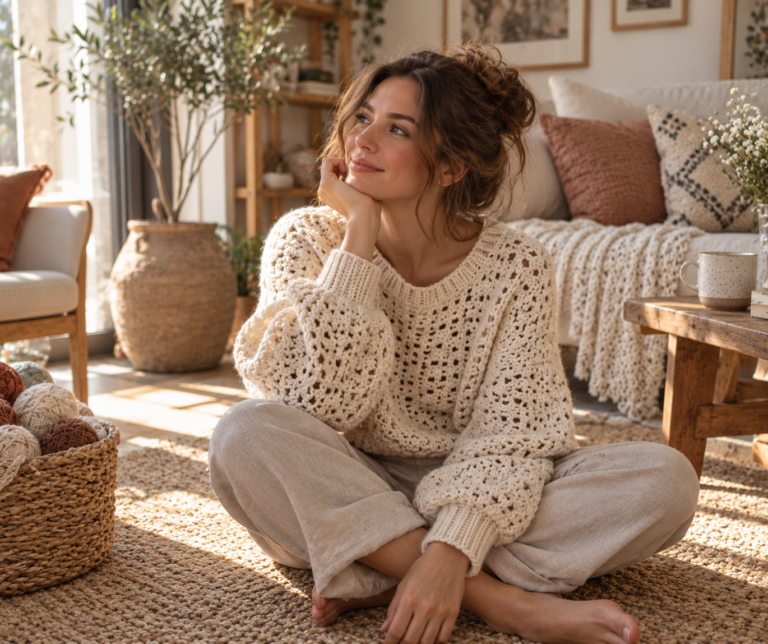
Choosing the best yarn for crochet sweater patterns matters more than almost any other decision you’ll make before casting on, because fiber content and weight determine drape, warmth, and how forgiving the fabric is once it’s worn. A gorgeous stitch pattern can still fall flat if the yarn doesn’t suit a garment meant to move with your body. This guide breaks down which fiber and weight combinations actually work for sweaters, and where each one falls short.
Table of Contents
- Best Yarn for Crochet Sweater Patterns: Why Fiber Choice Matters
- Wool and Wool Blends
- Cotton and Cotton Blends
- Acrylic and Acrylic Blends
- Alpaca and Alpaca Blends
- Linen and Linen Blends
- Cotton-Acrylic Blends
- Bamboo and Tencel Blends
- Superwash Wool
- Chunky and Super Bulky Novelty Yarns
- FAQ
1. Best Yarn for Crochet Sweater Patterns: Why Fiber Choice Matters
Fiber content controls three things that matter most in a sweater: drape, stretch and recovery, and warmth-to-weight ratio. A stiff yarn holds crochet stitches crisply but can feel unforgiving against skin, while a drapier fiber softens stitch definition but moves and fits more like knitwear.
Before picking the best yarn for crochet sweater patterns you have in mind, think about the season you’ll wear the sweater in and whether you want structure or drape in the finished fabric.
2. Wool and Wool Blends
Wool has natural elasticity that helps crochet fabric hold its shape and recover after wear, which makes it a strong choice for fitted sweater silhouettes. It also has genuine insulating warmth, so a wool sweater performs well in cold climates without excessive bulk.
The trade-off is care: most wool needs hand-washing or a wool cycle, and some people find it itchy against bare skin, especially at the neckline. Many crocheters still rank wool among the best yarn for crochet sweater patterns worn through winter.
3. Cotton and Cotton Blends
Cotton produces crisp, well-defined stitches and machine-washes easily, making it practical for everyday wear. It’s a common choice for warm-weather sweaters and tanks because it breathes well and doesn’t trap heat the way wool does.
Pure cotton has little to no stretch and can grow slightly with wear due to its weight, so fitted patterns in 100% cotton benefit from a firmer gauge to prevent sagging over time.
4. Acrylic and Acrylic Blends
Acrylic is affordable, widely available in a huge color range, and machine-washable, which makes it an accessible starting fiber for a first sweater. Modern premium acrylics have improved significantly in softness and drape compared to older budget yarns.
It doesn’t breathe like natural fibers, though, so acrylic sweaters can feel warmer and less breathable in mild weather than a wool or cotton equivalent of similar weight.
5. Alpaca and Alpaca Blends
Alpaca is exceptionally soft and warmer by weight than wool, with a smooth halo that softens stitch definition in a flattering way for textured stitch patterns. It has less memory than wool, though, so alpaca-heavy sweaters can stretch and grow over time, especially in looser stitch patterns.
Blends that combine alpaca with a small percentage of wool or nylon add back some of the structure pure alpaca lacks.
6. Linen and Linen Blends
Linen yarn is stiff when first worked but softens significantly with washing and wear, developing a relaxed drape that suits loose, breezy summer sweaters. It has almost no stretch, so it pairs best with drop-shoulder or oversized silhouettes rather than fitted shaping.
Because linen has minimal give, sizing should lean toward the schematic’s finished measurements rather than assuming any forgiving stretch.
7. Cotton-Acrylic Blends
Blending cotton with acrylic combines cotton’s stitch definition and breathability with acrylic’s easier care and slightly better stretch recovery than pure cotton. This makes it a practical middle-ground choice for sweaters that need to hold shape through repeated washing.
These blends are widely available at accessible price points, making them a common recommendation among the best yarn for crochet sweater patterns aimed at beginners working on their first fitted sweater.
8. Bamboo and Tencel Blends
Bamboo and Tencel (lyocell) yarns have a noticeable sheen and silky drape that plain cotton doesn’t have, giving finished sweaters a more elevated, fluid look. They work particularly well for lightweight, drapier sweater silhouettes rather than structured or ribbed designs.
These fibers tend to be more expensive per skein than cotton or acrylic, so they’re often blended with cotton to manage cost while keeping some of the drape.
9. Superwash Wool
Superwash treatment strips or coats the wool fiber’s scales so it can be machine-washed without felting, solving wool’s biggest practical drawback for everyday sweaters. The trade-off is that superwash wool often has slightly less bounce and stitch definition than untreated wool of the same weight.
It’s a solid pick if you want wool’s warmth and drape but don’t want to add hand-washing to your laundry routine.
10. Chunky and Super Bulky Novelty Yarns
Bulky and super bulky yarns work up fast and are popular for oversized, low-commitment sweater patterns, since fewer stitches are needed to cover the same area. Novelty textures like boucle or chenille add visual interest but can obscure stitch definition, which matters if the pattern relies on a textured stitch for its look.
Always check the pattern’s gauge and yardage for your specific yarn choice, since fiber and texture affect how far a skein goes even at the same listed weight, and it’s the final check before settling on the best yarn for crochet sweater patterns you plan to make.
FAQ
What is the best all-around yarn for a beginner crochet sweater?
A mid-range acrylic or cotton-acrylic blend in worsted weight offers forgiving stitch definition, easy care, and a manageable price point for a first project.
Can I substitute wool for cotton in a sweater pattern?
Not without adjusting gauge and expectations. Wool has stretch and recovery that cotton lacks, so a direct substitution can change both fit and drape.
Does yarn weight affect how warm a sweater is?
Yes, but fiber matters as much as weight. A bulky acrylic sweater can still feel less warm than a worsted wool one, since fiber content drives insulation more than thickness alone.
Conclusion
The best yarn for crochet sweater patterns depends on the silhouette, season, and care routine you want, not a single universally superior fiber. Save this guide for your next yarn shopping trip, and swatch before committing a full sweater’s worth of skeins to any new fiber. The right yarn choice makes the difference between a sweater you wear constantly and one that sits in a drawer.